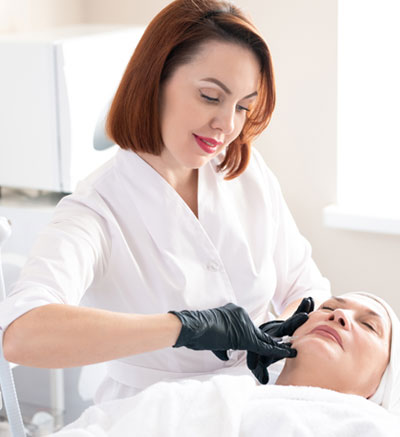
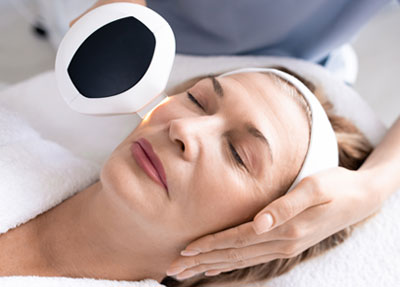
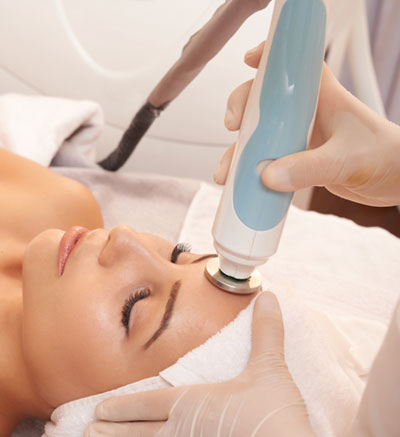
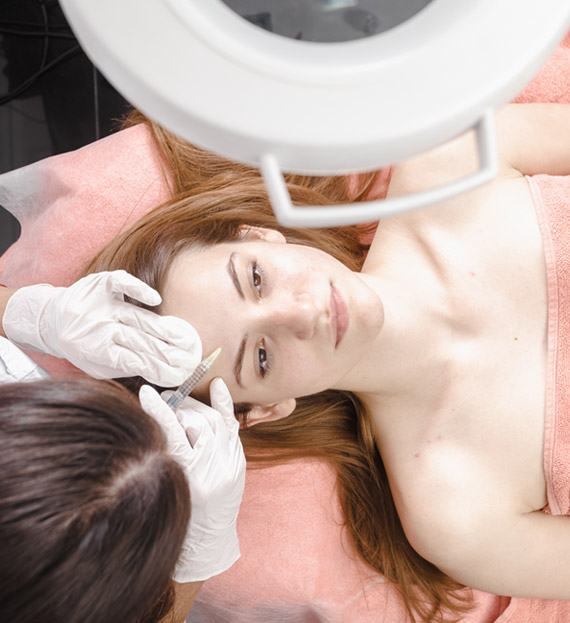
Dermaplaning is a procedure that exfoliates your skin and gets rid of dirt and vellus hair, better known as “peach fuzz.”
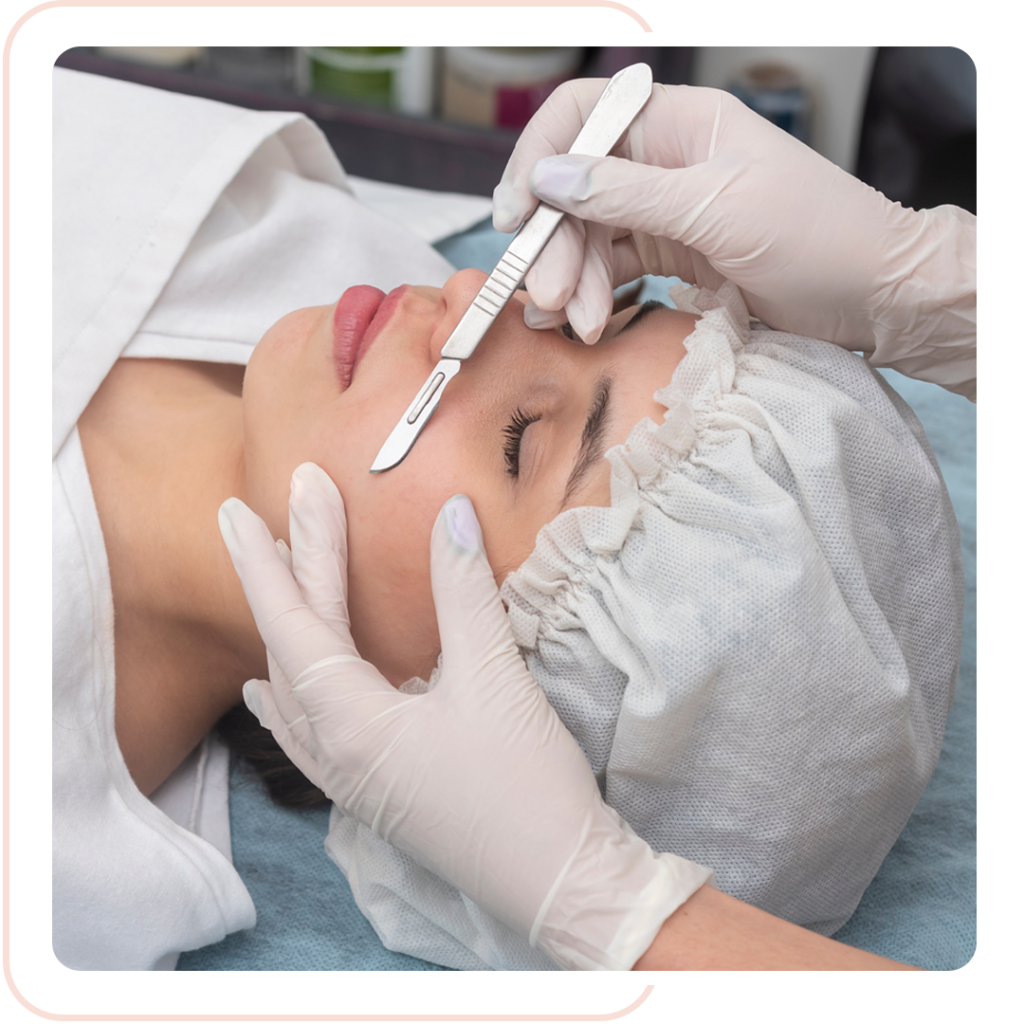
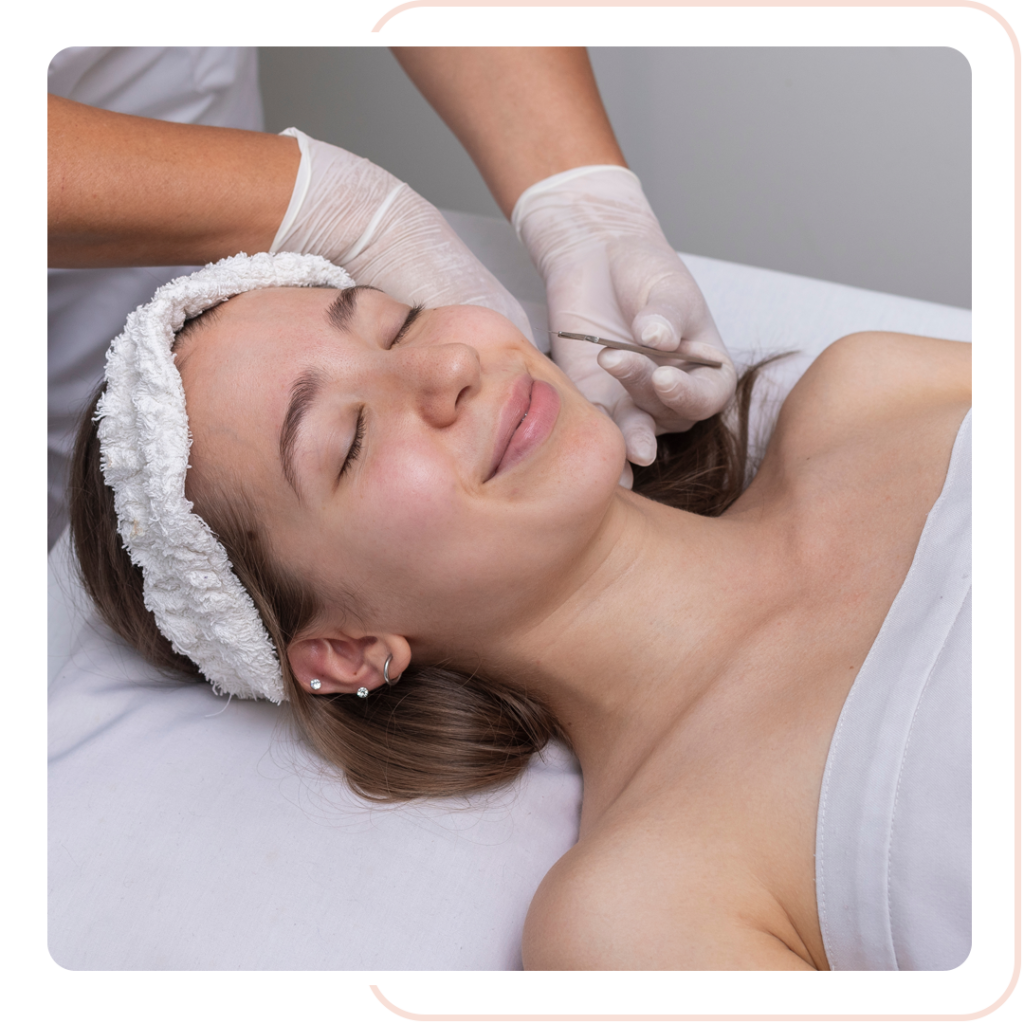
It’s different from dermabrasion, where an aesthetician or doctor uses a high-speed, rotating brush to exfoliate the skin. With dermaplaning, they use a scalpel or a tool called a dermatome. An aesthetician moves the dermatome, which looks like an electric razor, back and forth to scrape off the top layer of dead skin.
Benefits of Dermaplaning:
The exfoliation and hair removal can leave your skin brighter and smoother. The treatment may soften fine lines and wrinkles and ease hyperpigmentation, or uneven skin tone. It’s also used to treat deep acne scars. How well it works really depends on your skin type, tone, and medical history.
softer, smoother skin
brighter-looking appearance
smoother foundation for makeup
a light exfoliation
peach-fuzz removal
Risks and Side Effects:
Most people have little to no irritation or reaction. Short-term side effects may include:
Red and swollen skin from the scraping
Soreness
A burning or tingling
sensation for about 48 hours after the procedure
It’s not common for your hair to grow back thicker or darker. But in rare cases, dark hair may grow near your chin or “sideburns.”
Dermaplaning isn’t recommended if you have inflammatory skin conditions such as:
Acne
Rosacea
Psoriasis
Eczema
Sunburn
How to Prepare:
It’s best to avoid exfoliating your skin 3 days before. You should also try to avoid direct sunlight or tanning.
There’s no downtime needed to let your skin heal. Experts recommend using a broad-spectrum sunscreen of at least SPF 30 and a moisturizer afterward. That’s because your skin may be more sensitive.
You can do dermaplaning every 3 to 4 weeks. But it’s important to remember it won’t get rid of all acne scars or stop aging.
What are the risks of dermaplaning?
Dermaplaning is safe for most skin types, especially those with sun damage, fine lines, dry patches, and dull skin. But, as always, there are caveats: If you have highly reactive, sensitive skin (like those withrosaceaorkeratosis pilaris), you may want to pass on dermaplaning, since it might irritate your skin.
And the same side effects/risks apply to anyone with inflamed acne—as you’d imagine, sliding a sharp scalpel over your zits can irritate them and worsen existing breakouts by spreading bacteria and triggering inflammation. So if you aredealing with acne, talking with your dermatologist about gentle chemical exfoliants (like lactic acid or polyhydroxy acid) to smooth your skin without the scalpel.
Does dermaplaning cause breakouts?
While you shouldn’t dermaplane with active breakouts, dermaplaning shouldn’t actually cause any additional breakouts. In fact, by removing the buildup of dead skin and excess skin oils from the surface of your pores, dermaplaning may actually help prevent some future breakouts.